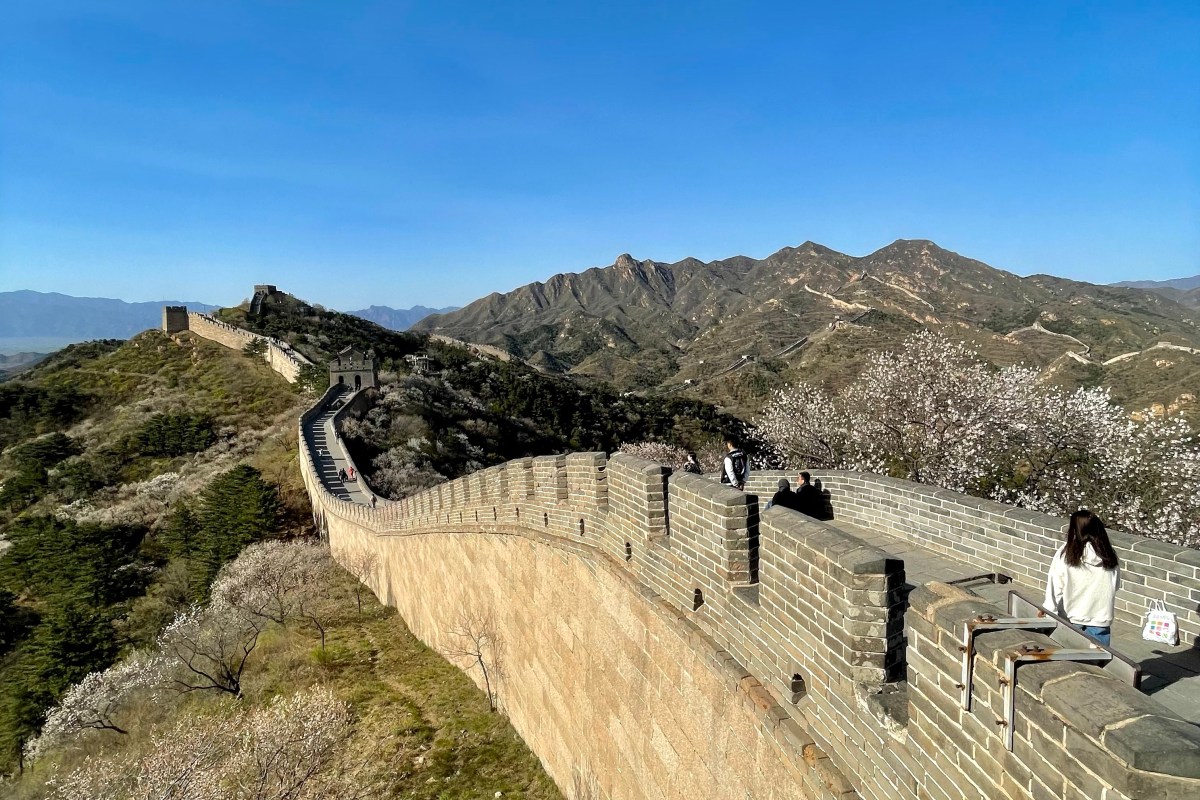
2 beautiful sections of the Great Wall north of Beijing
Tour Overview
Visiting any section of the Great Wall of China is surely on ever travelers list. We actually managed to stay in China for almost 3 years without every seeing a single section of the Great Wall. Finally, this April, i was in Beijing for business for a week and so we decided to stay the weekend.
The Great Wall of China is, depending on the sources, a network of fortifications with a total length of 10-20,000 km. Some sections can barely be recognized as walls anymore, others are restored beautifully. The main purpose was (obviously) to keep others out, especially the aggressive tribes from Mongolia in the north and west and the other tribes from Manchuria in the east.
The most known is probably Badaling, northwest of Beijing.
Our hotel was around downtown, near Tiananmen Square. It is not ideal if you have only limited time to see the Great Wall, there are some hotels near the Badaling section which would be a better fit. Since we wanted to see some other things as well, we chose a central location. If you want to see both sections, Mutianyu and Badaling, it will take you a whole day.
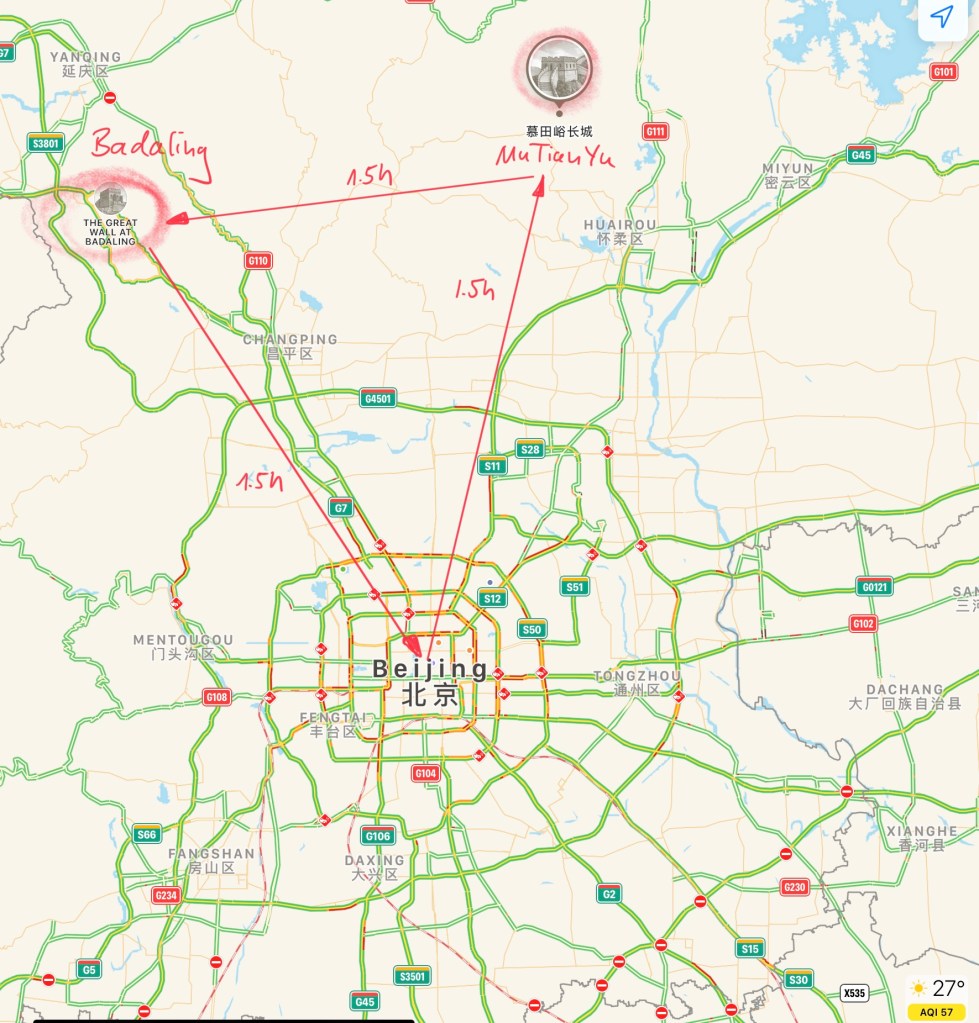
If you only have half a day and are struggling to chose which section to see from Beijing, it depends on your preference on what you expect (more later). A friend helped us to organize a driver who stayed with us the whole day, which made the tour much more convenient.
Mutianyu Section
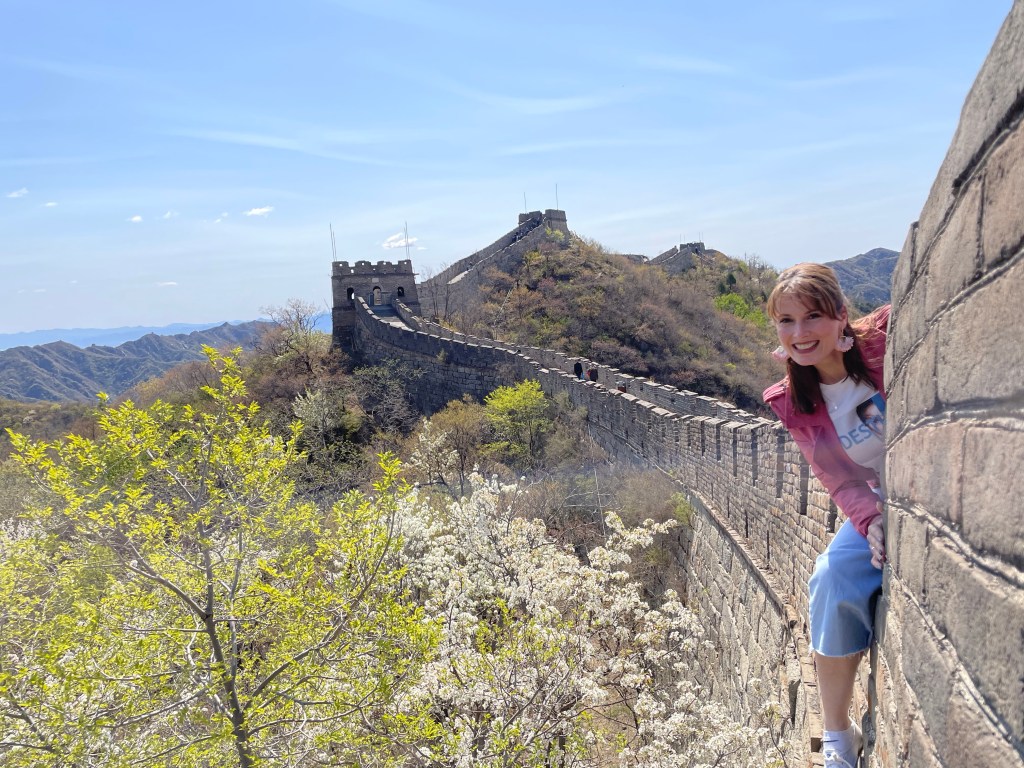
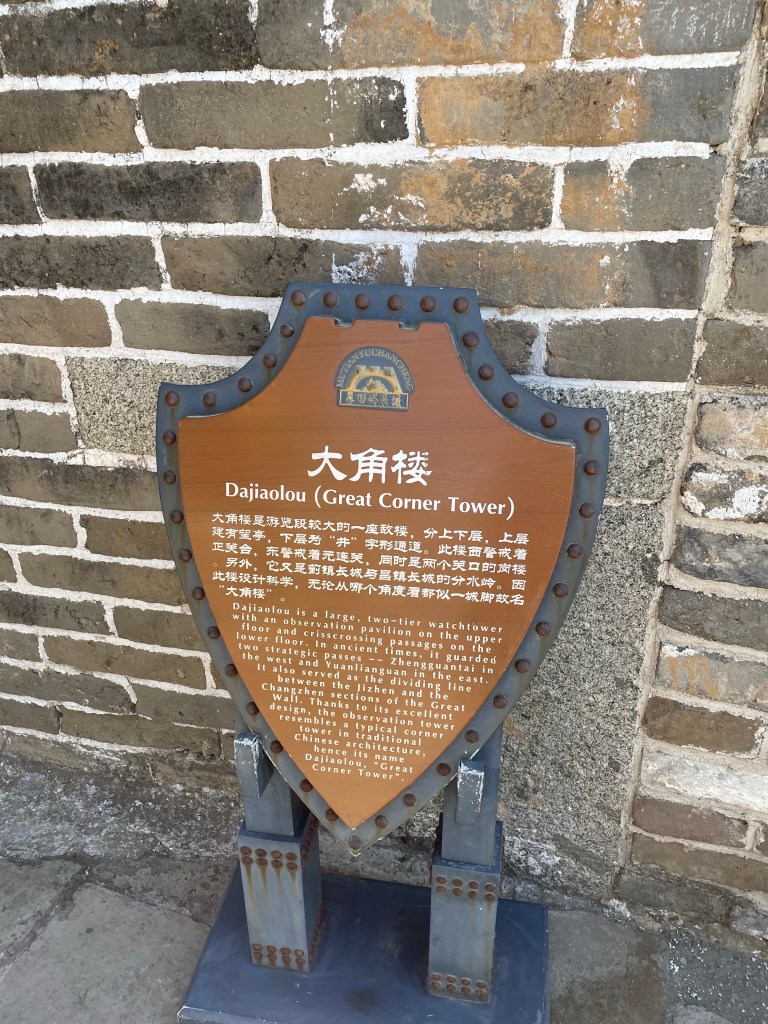
Mutianyu is the „non-touristy“ and more natural section and not visited by so many people.
We started around 7:30 at the hotel and arrived in Mutianyu around 9:15. We took the cable car up, but you can also walk, then you probably need the whole day. There is a „round track“ where you go up by cable car, walk a few kilometers on the wall and take a slide back down.
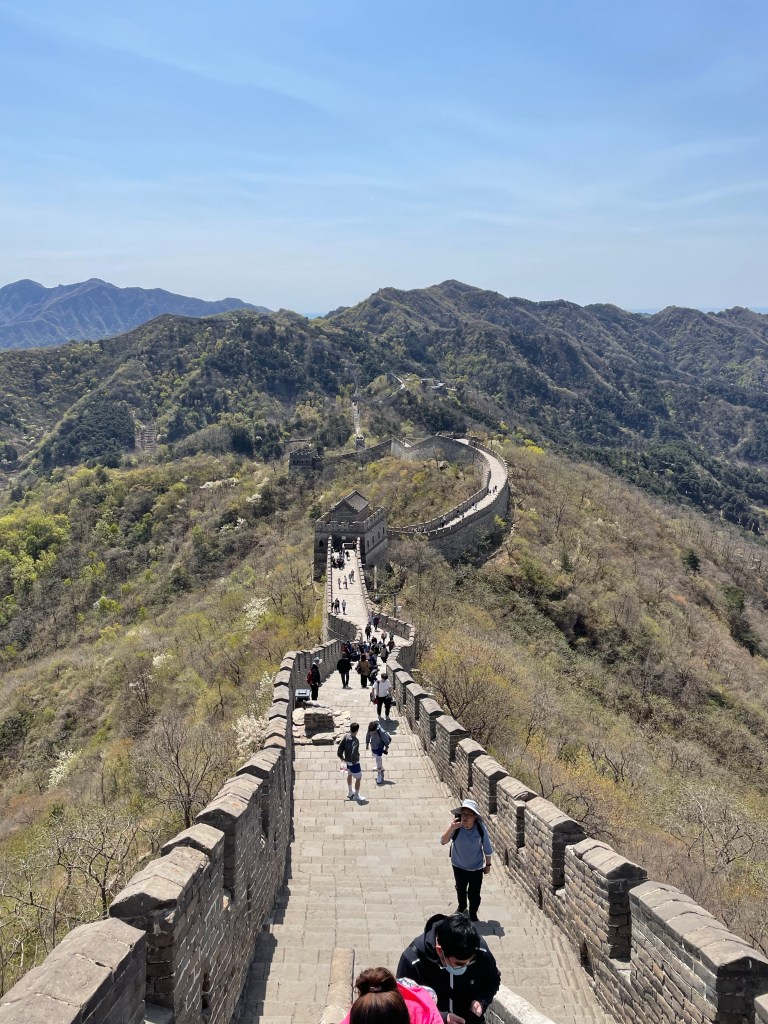
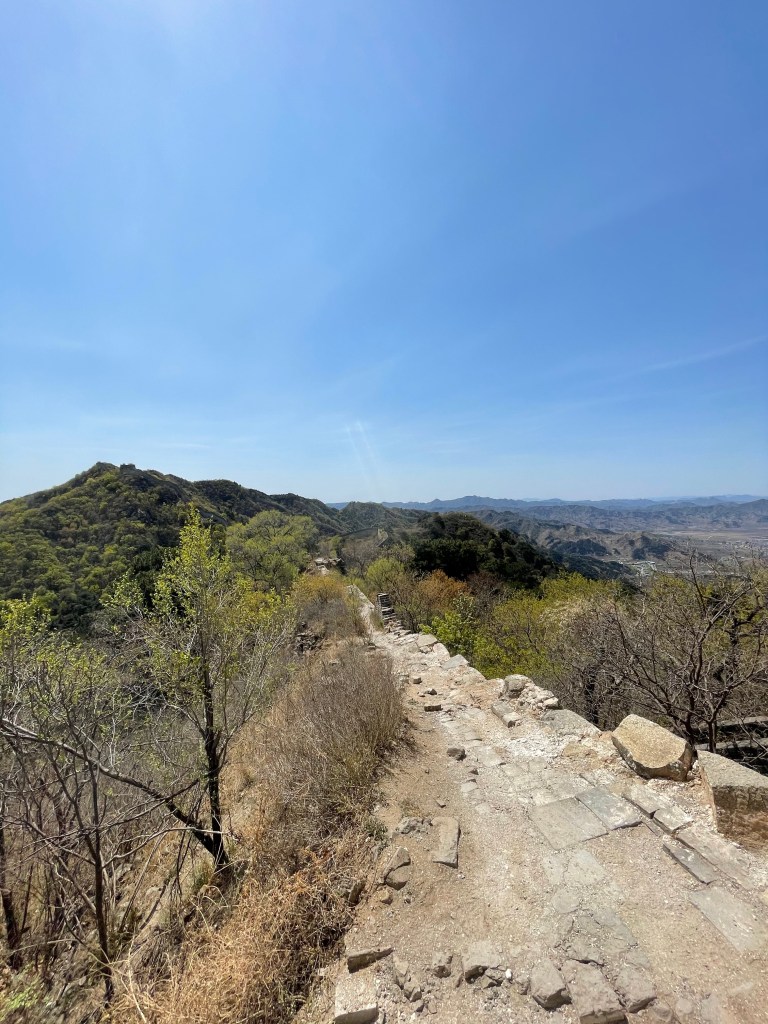
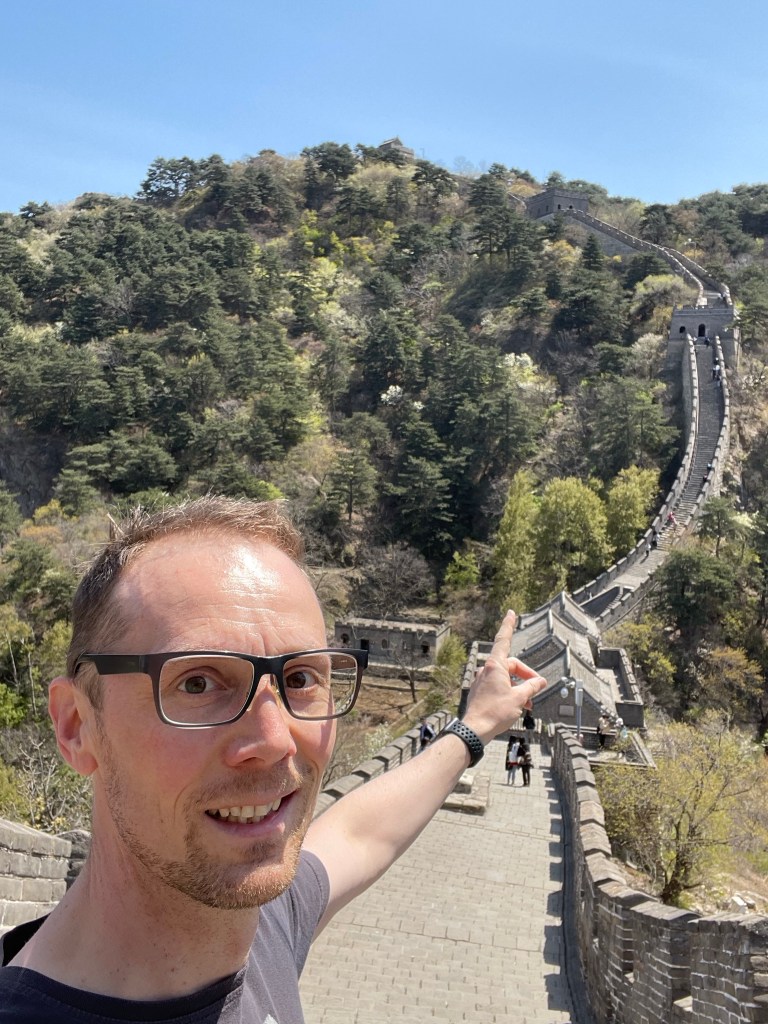
Firstly, we walked a bit west, for maybe 20 minutes and it looked like you can hike on forever. As we had a tight schedule, we turned back and after going through a couple of towers, there is a toboggan which leads you back down the wall.
I was tempted to hike up the next hill but it looked really steep, and it was. The steps were up to half a meter high and only very narrow, so first you will need a really good endurance to go up and a really good balance and coordination to go down. On the top, there is small „fortress“, from which there are 2 or 3 „wild“ wall sections, which are not open for walking due to risk of accidents. You can however climb through one of the windows and go on, although it is probably not allowed. I chose not to, since my wife was waiting at the toboggan station. It would have been much more fun if the people in front of us had figured out how to release the brake.
On the base station, there are several options for some fast food, but not any „real“ restaurant, so we just took a coffee, which was surprisingly good and surprisingly expensive.
Badaling Section
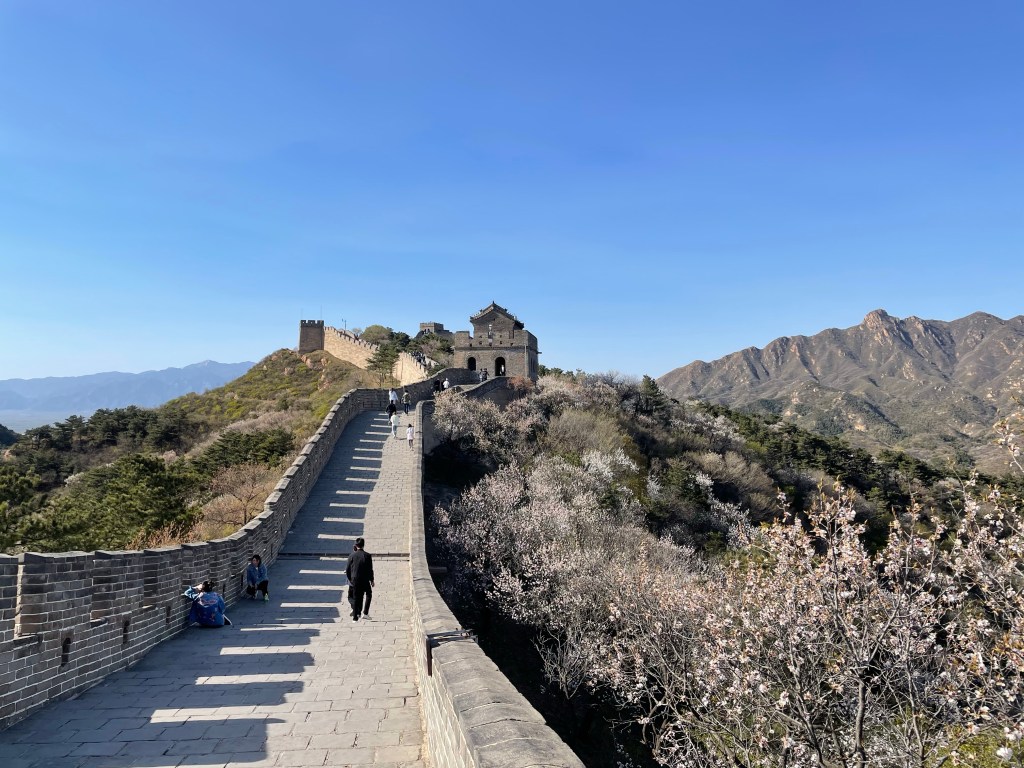
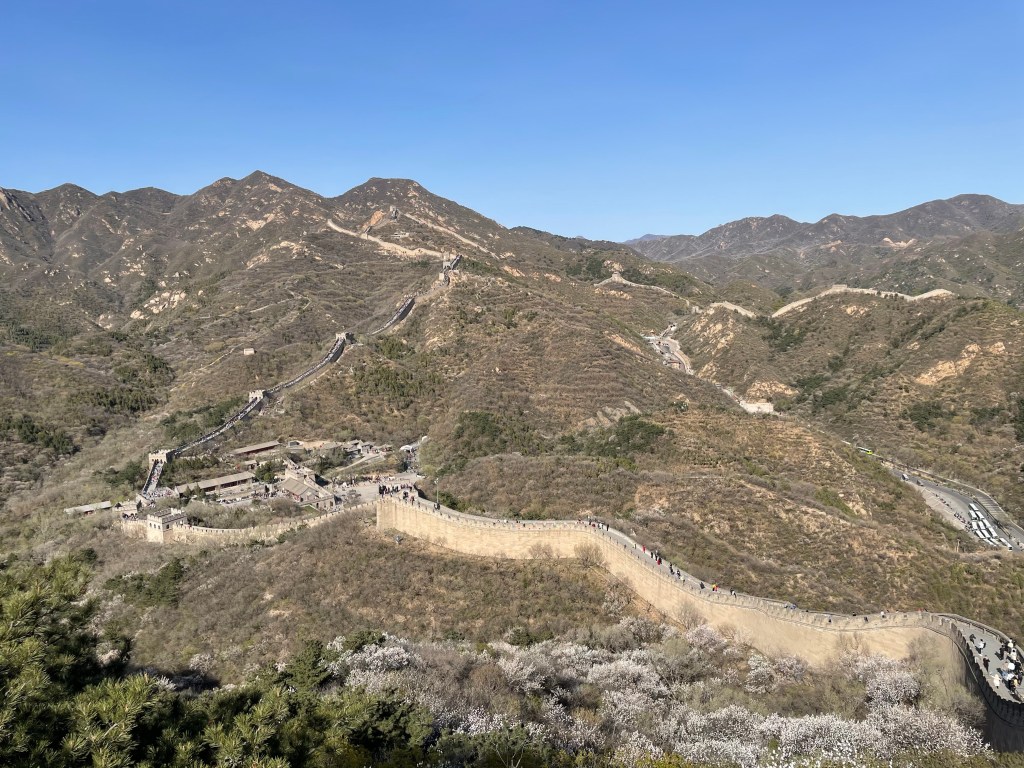
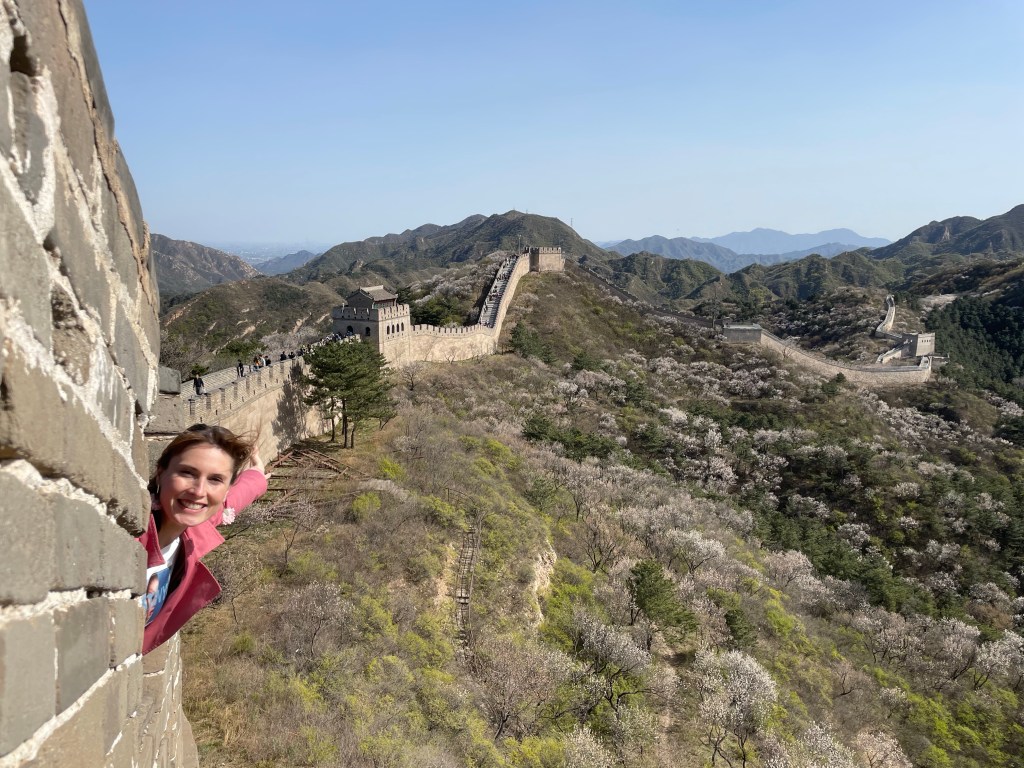
Badaling section is the most touristy part of the Great Wall and also the part which is restored and maintained best. It seems that at any give time, there are always many tourists.
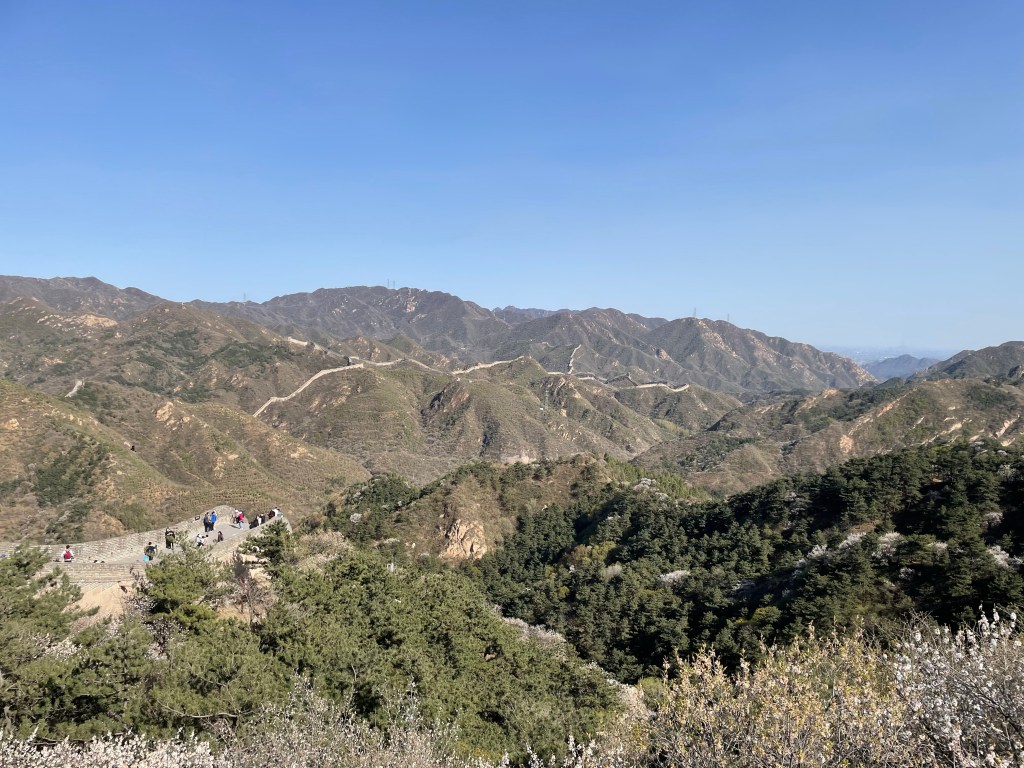
Around lunch time, we drove on to Badaling, which is another 1:30-2 hour drive. The scenery is breathtaking as you go through the hills and every now and then you can spot the wall as it appears along and between the hills.
We arrived around 15:00 and were a bit concerned that we may not have enough time left. At the main parking area, there were literally millions of people. Luckily, they all headed back home and we had an easy time going up.
There is a cable car, which was closed due to heavy winds. We were able to get on a rack railway. The tricky part was that the last one headed down 16:30. So we had to hurry a bit, but it was still enough time to get a glimpse of everything. If you want to take the grand tour though it is not sufficient.
Final thoughts
Seeing the Great Wall of China and actually walking on a thousands of years old man made marvel is just awe inspiring. My wife and I are both engineers and still we could not figure out how the wall could have been build back then just by logical thinking. It is hard to imagine how long a certain section took to build, how many people worked on it and how the logistics (e.g. getting stones and material there) worked. Even though there were surely casualties and probably forced labor as well, it is remarkable what a nation or humans can achieve if they are really dedicated to something.
Even thought the Badaling section was more beautiful, i like Mutianyu better. I would love to come back for a multiple day hiking on the more „wild“ sections (there are many).
If anyone knows any good literature about how the wall has been build, I would appreciate a comment or message. I hope you enjoy reading!
 2GIC
2GIC 