
Your first steps as expat in China.

Today I am writing this guide to give you some information for your first days in China. I remember my own time about 2 years ago. Everything is new, different and you most likely do not understand the language. It can be confusing and sometimes frustrating (even if you had been traveling to China and Asia for almost 10 years, like I did).
What is not covered in this blog?
To avoid confusion, I am purposefully not going into official procedures. I may dedicate a future blog for this, as it is also quite an experience to be shared.
- All official procedures required before you enter China, such as how to get a work visa or residence permit.
- Your first official steps in China such as registering at the nearest police office (you need to go there within 24h after your entry to China and register). I was lucky enough that this was largely done by the company I am working at and I suppose it would be similar for other expats.
- Physical examination and health check procedure in a local hospital (takes about 1/2 day and is mandatory)
- Any procedures related to COVID-19, such as quarantine when entering China, since the regulations are different in each province and change frequently.
What does this blog cover?
- Essential APPs and how to set them up and use them.
- Which websites / western apps work in China, which don’t and what workarounds are there?
Essential APPs
Yes, in China apps are called APP (A-Pee-Pee). But first things first. What you need to download Chinese APPs is a Chinese Apple account (for Apple users). I don’t know what you need for Android, but I guess it is the same. You may even be able to download certain apps through the German, US or whatever store, but they are mostly different to what is offered in China. All you need is a Chinese email address and Chinese phone number.
- Alipay
- Google translate (it works in China)
- DiDi
- Taobao
- JD
- Dianping
- Trip.com
- Starbucks China
- Wanda Cinemas
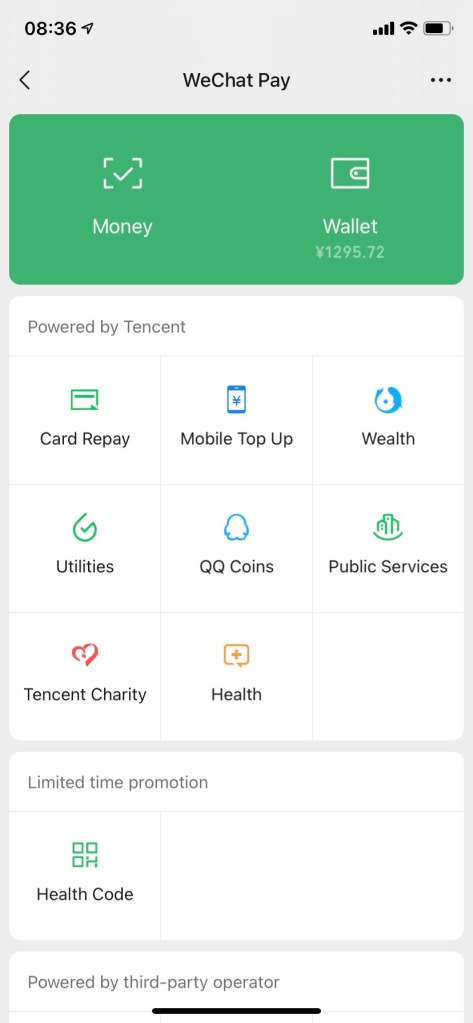
WeChat is possibly the most important APP you will need in China. Yes, I don’t think there is any way to live without this app.
Most obviously, it is used for chatting/messages as well as voice and video calls. But there is so much more you can do with it:
- Pay (you need a linked chinese bank account)
- Health Code (incl. travel history, you will need it almost everywhere to get in, e.g. in malls, airports, train stations etc.)
- Social Media (similar to face book)
- Pay your electrical / water / gas bills
- And much more.
Most of other apps will automatically link themselves with WeChat, so you do not need to do any registration, it will just use your WeChat data. It is very convenient. Most websites accept WeChat as well.
For registration you will need your passport number, personal details, Chinese bank account and Chinese phone number. There may be further verification steps required, such as facial photo etc.
Note: Almost nobody pays with “real money” in China. It is very rare to see anyone not paying by phone.
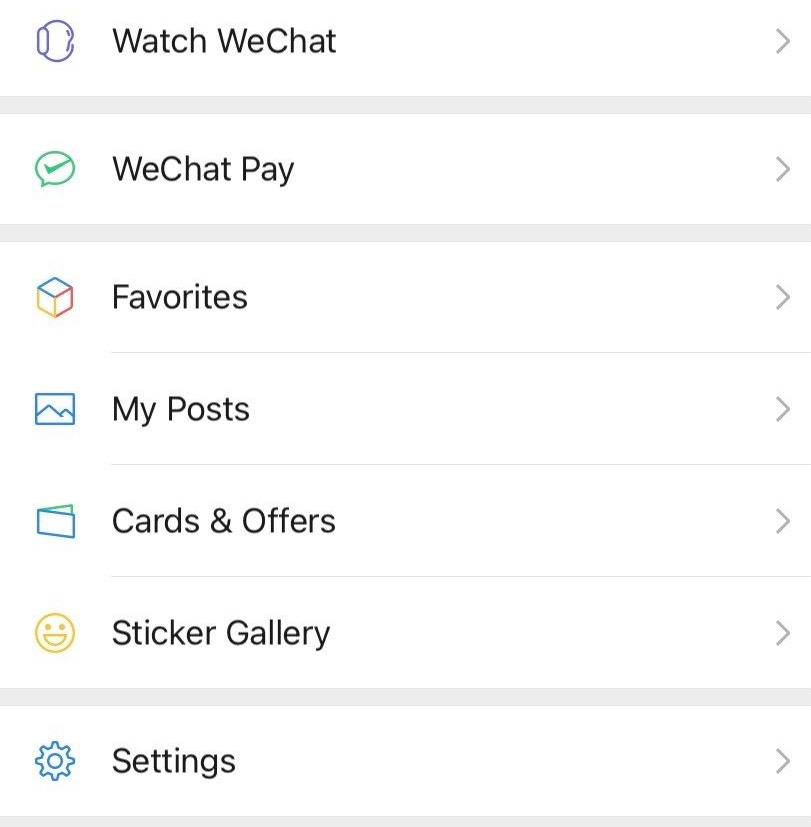
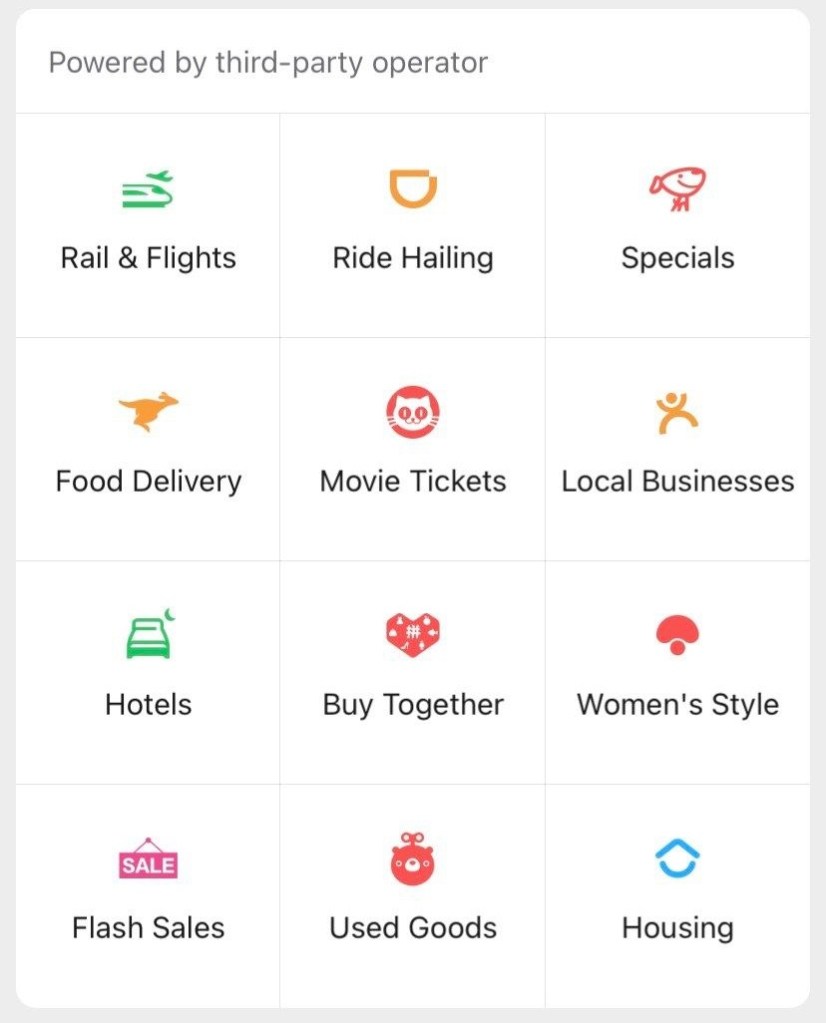
See below some screenshots of WeChat.
Alipay
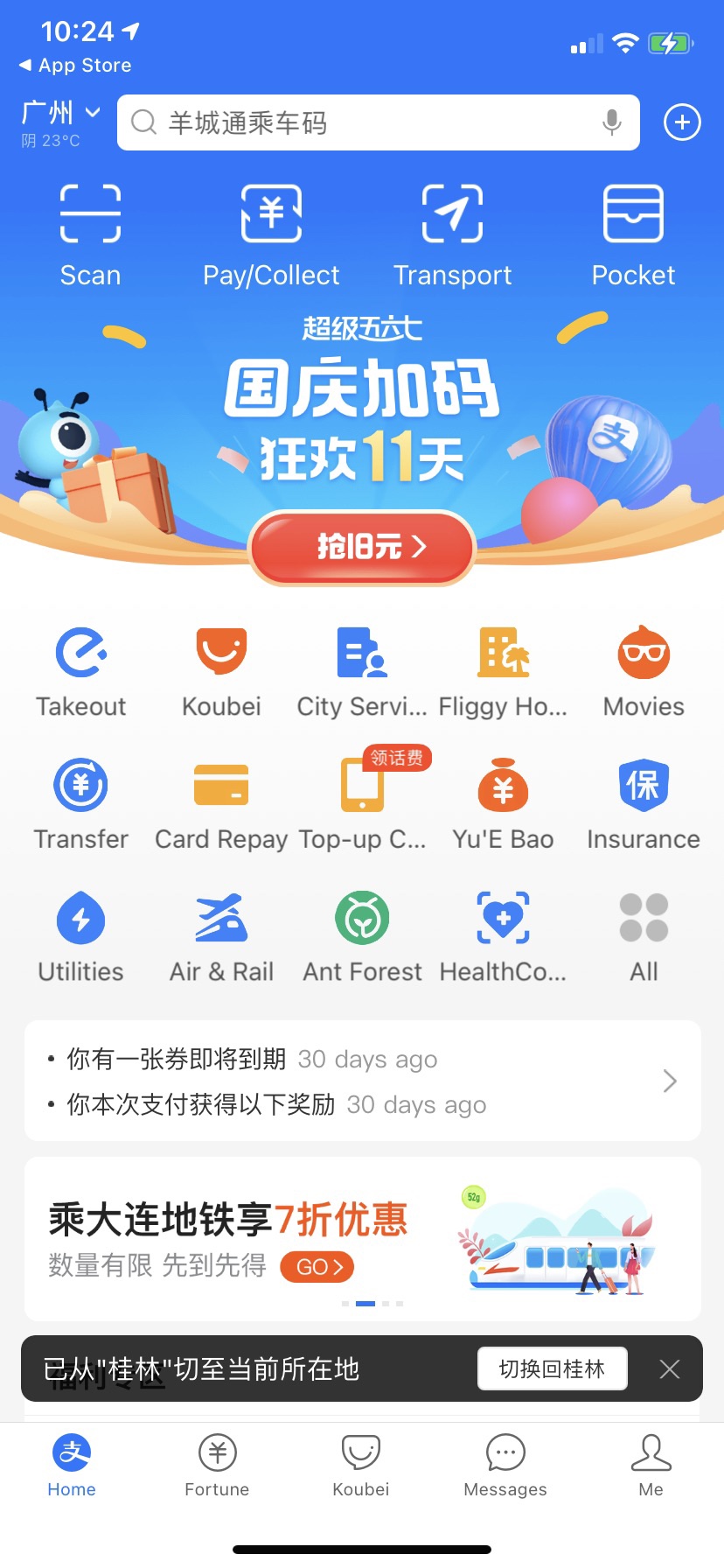
Similar to WeChat, Alipay is another widely used APP for payments, but also health codes. Some APPs/Websites do not accept WeChat as payment option, mostly if they are related to Alipay/Alibaba. A good example is Taobao.
For registration you will need your passport number, personal details, Chinese bank account and Chinese phone number.
Google Translate
Contrary to mostly all Google websites, Google Translate works in China. You can download different language packs and even use it only.
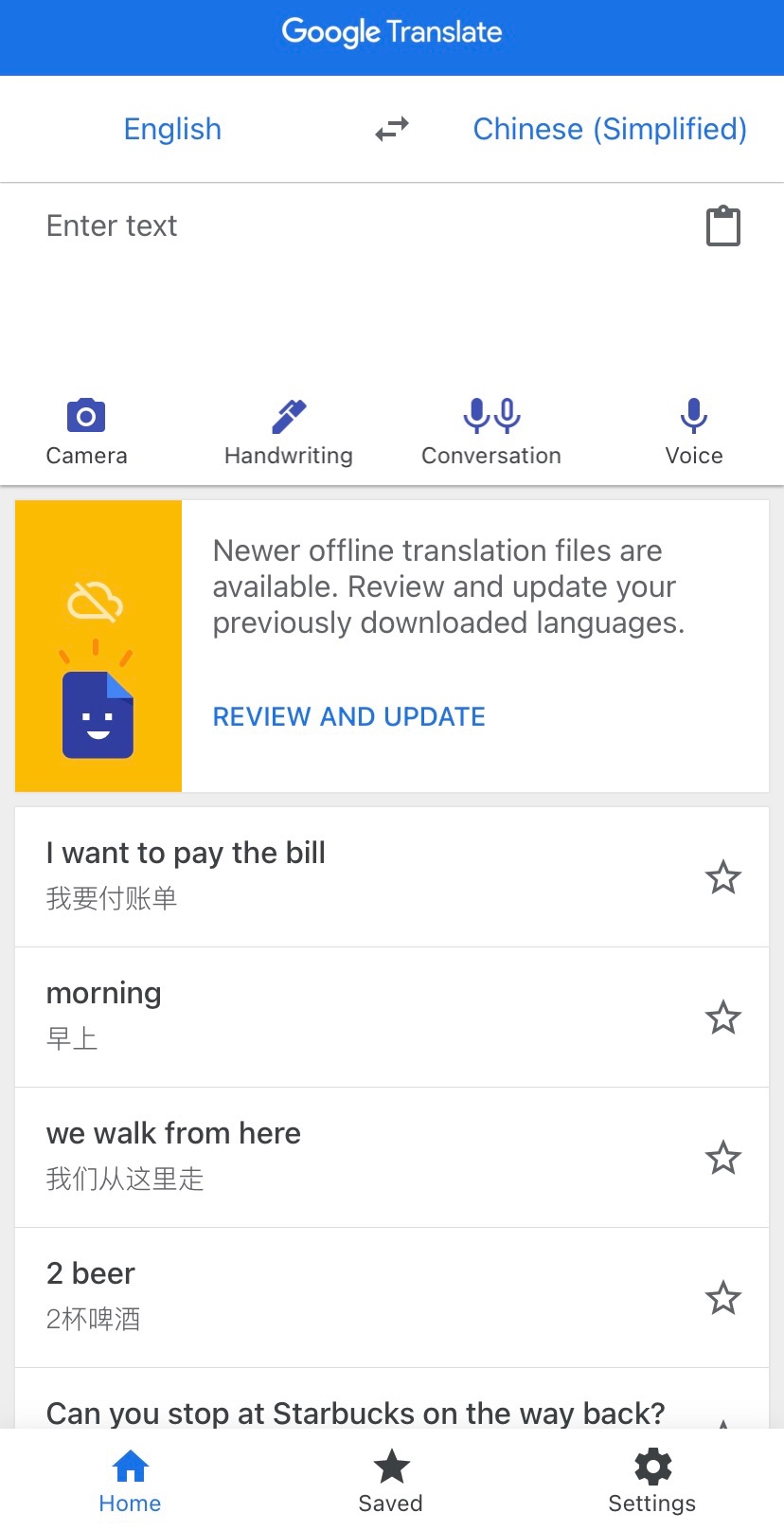
It can translate texts by camera, written input and spoken input. It is really a life saver if you want, for example find out some ingredients in a certain food product, read a sign or even translating the newspaper.
Of course, it has it its limitations, but normally, you will be able to get the meaning.
An interesting local version is 有道翻译官-107种语言翻译
DiDi
DiDi is the number one ride hailing APP in China. It works in almost any bigger city, and even in smaller cities. It also offers an option to switch to English language (you may need a Chinese friend to set it up in the first place)
There are different services, you can use:
- Taxi
- ordinary taxi
- I recommend this only if nothing else is available
- the quality of official taxis can really vary between “OK” at best to “i will never take a taxi again” (driver smoking, open windows, run down cars, unsafe driving, loud music, you can experience anything)
- Express
- normal cars, mostly Chinese models
- good basic experience
- Premier
- only available in selected cities
- good middle class cars (VW , Honda, Nissan)
- increased service, such as free water provided.
- This is the way to go if available, the price is barely more expensive than a normal taxi
- Luxe
- kind of a limousine service
- high end cars, e.g. S-class Mercedes
- I have not tested it so far.
- It is only available in a few cities
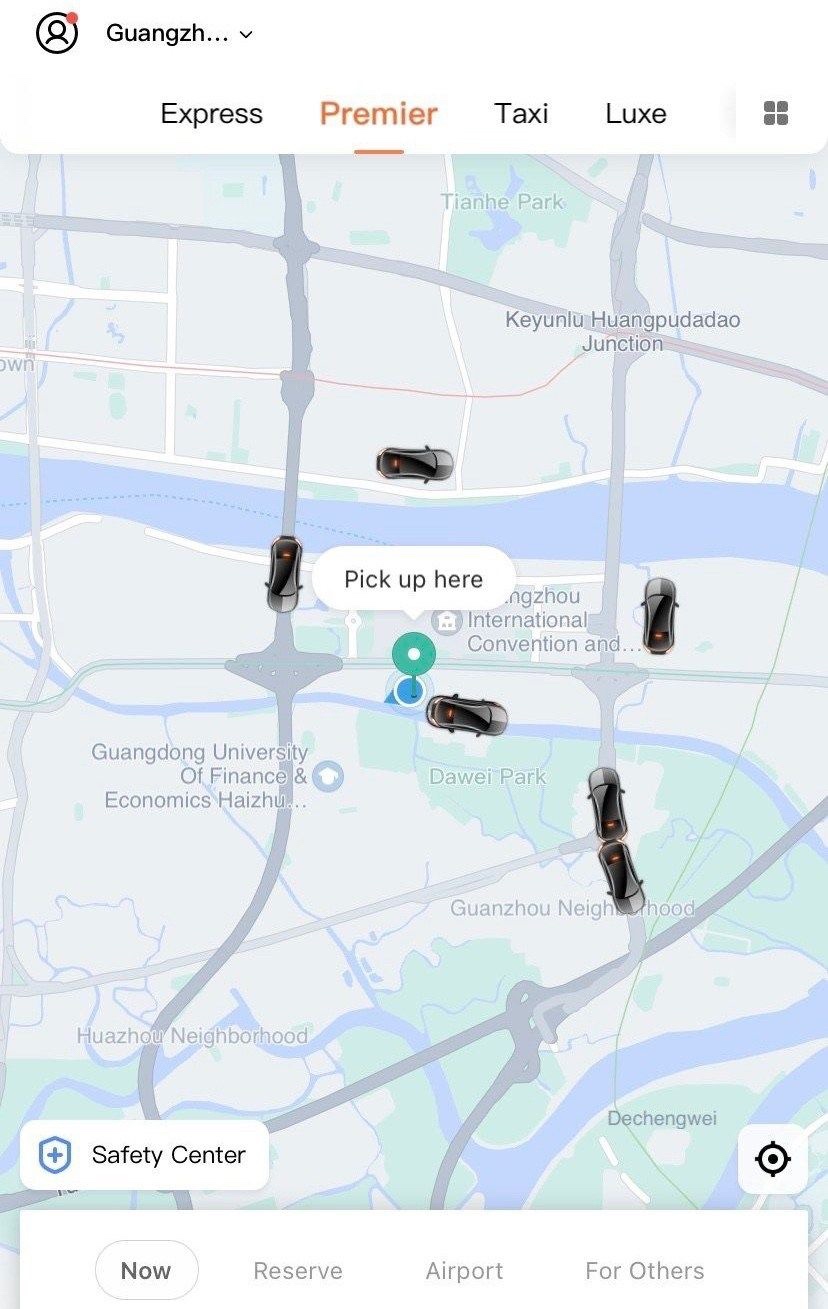
Normally you will connect your DiDi account with WeChat, then the payment is done automatically after the ride. You can also somehow add some credits to your DiDi wallet, but I have not tried that so far.
The rides are normally (except Taxi) very safe, you can even call the police in the APP or send complaints, but I have never needed it. The quality is consistent and good. You can also rate the driver, and every driver knows that if they have a bad rating, they will get less customers.
I almost forgot the best thing about DiDi . You can order a driver for your own car to drive you back home after you have been drinking! This is the single most greatest invention I have ever experienced. No more getting a taxi and having to get your car back from wherever the next day.
The drivers will drive back with an foldable electric scooter they place in your trunk. They even use gloves and seat covers in your car and drive you home safely.

Taobao
Taobao is the APP to buy everything. It is basically like Amazon. You need to register an Alipay account for payment.
JD (JingDong)
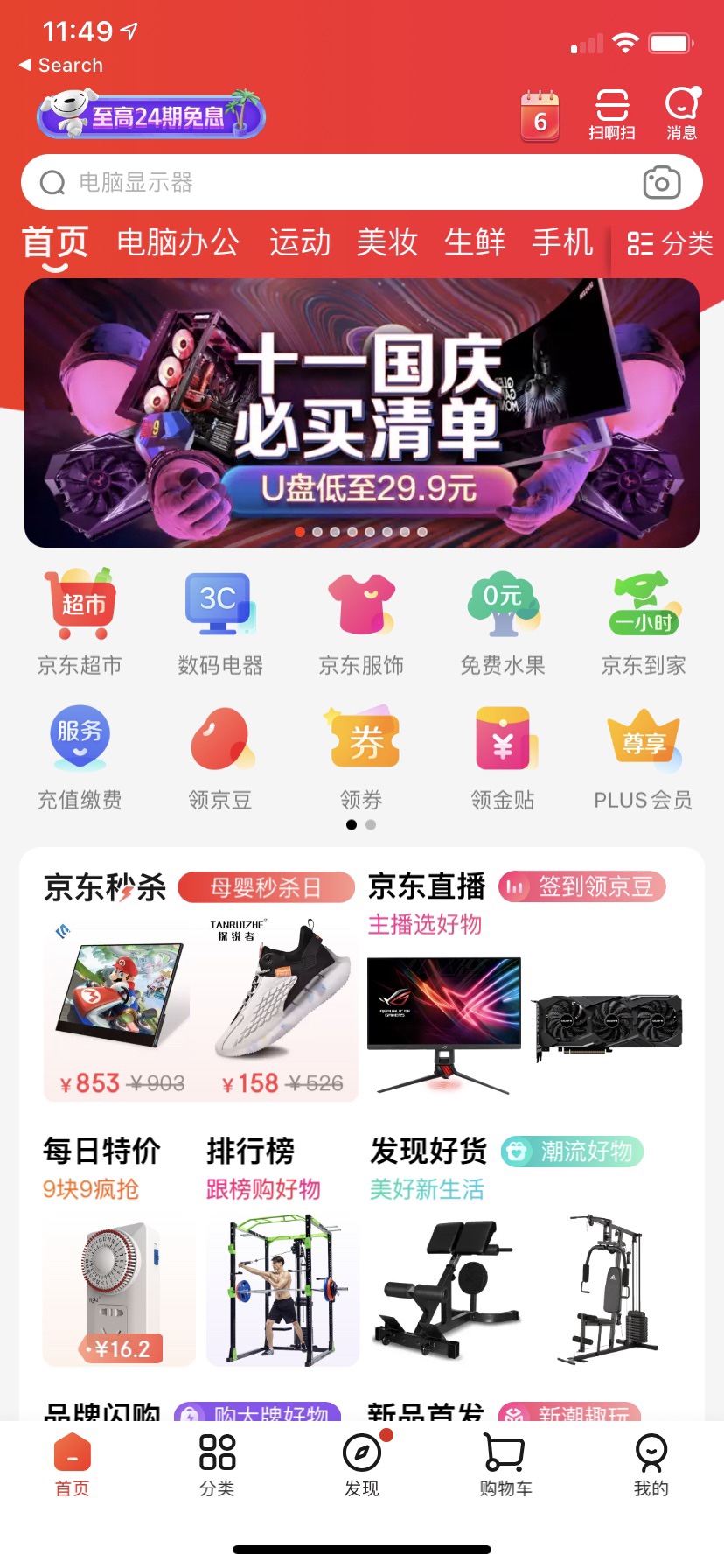
JD is one major store in China, mostly for electronic products but also for almost everything else.
All you need to do to set it up is connect your WeChat account and setup a delivery address (i recommend a mailbox station, otherwise, the delivery guy will call you every time. There are mailbox stations available at many big companies or in your living compound).
The APP does not offer an english version, so you may need someone who can read Chinese to help you set it up. Using the APP is straightforward and you figure out which button does what eventually.
Dianping
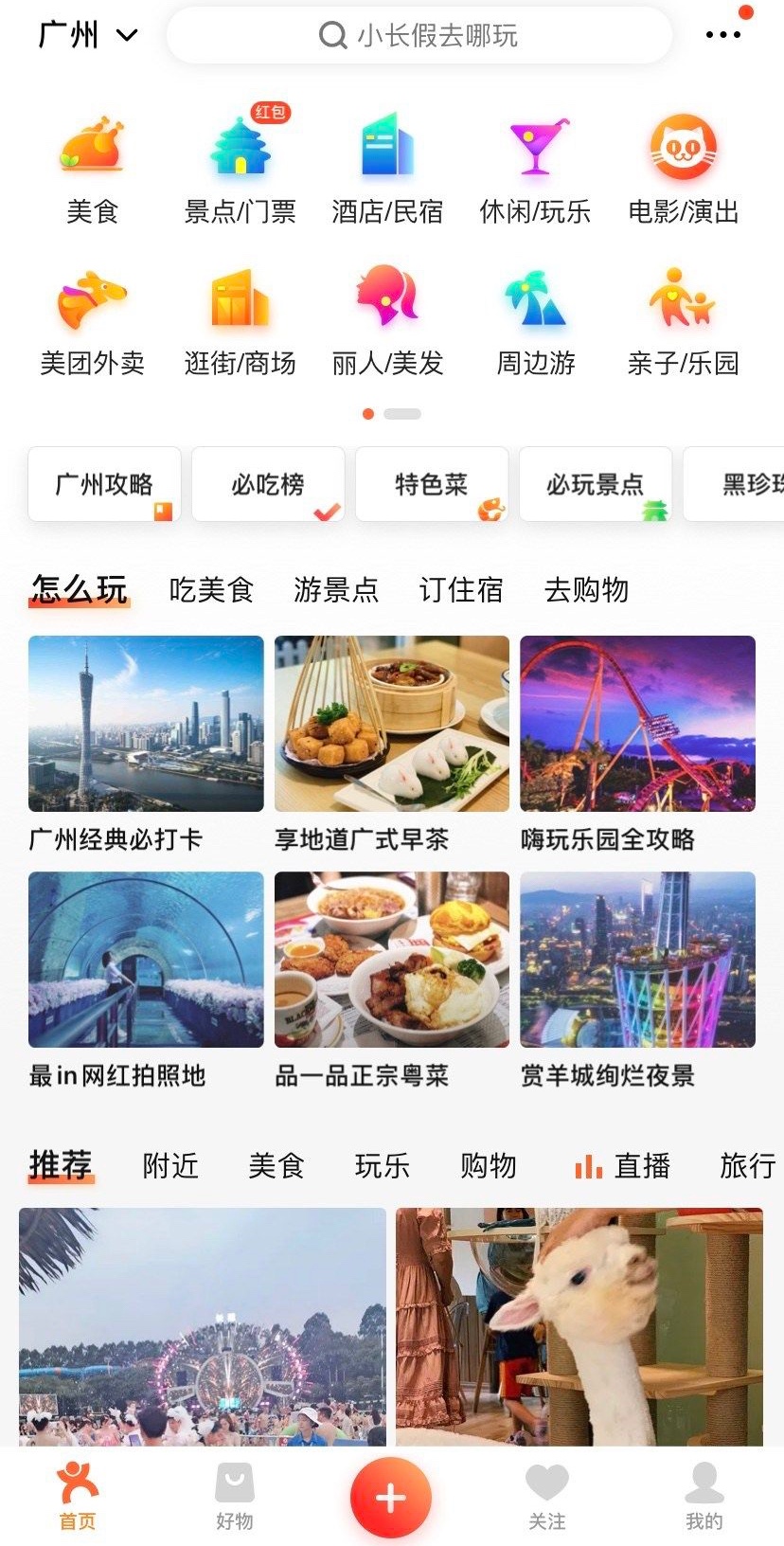
Dianping is the “Chinese Yelp”. Anything, from restaurants to KTVs can be reviewed and looked up in there. It is a great tool to find bars or restaurants around your location and not just blindly go somewhere.
All the locations are rated, even though the comments are 99% in Chinese language you can make out if it is the right place for you by looking at the pictures and judging from the rating.
The APP is only available in Chinese language.
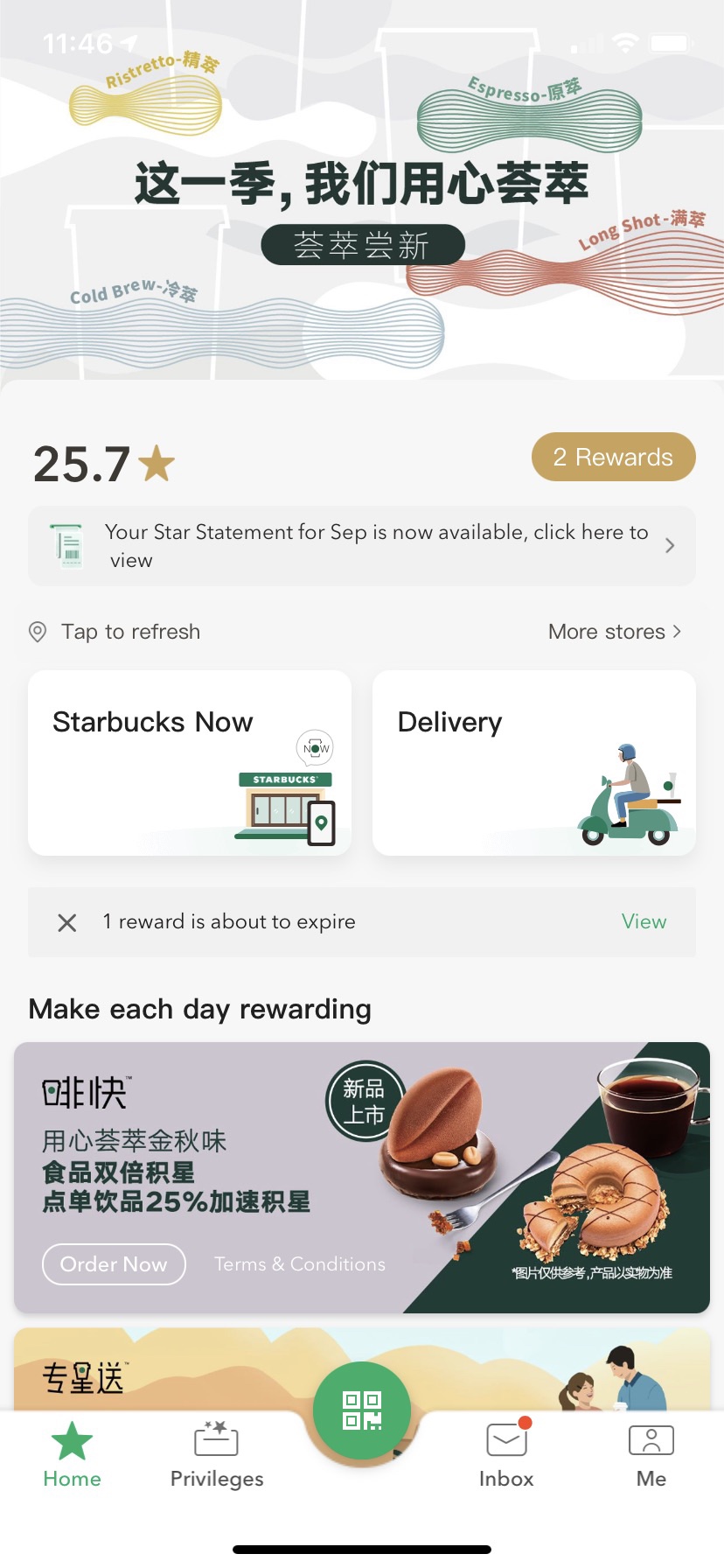
Starbucks China
If you love coffee, there is no way around this APP.
There is a localized APP for Starbucks and it has an English language option.
The functions are similar to any US/European version I suppose, online orders, delivery, collecting reward points and payment as well as finding the next store nearest to you.
Wanda Cinemas

Wanda is a huge real estate company based in Dalian. Almost any city will have a Wanda Plaza mall. Wanda Cinemas are therefore the way to go if you love movies.
You can order tickets online or just look up the latest movies showing in your local cinema.
Most western movies are shown in English language with Chinese subtitles. Most big western blockbusters are shown in China.
Which websites/western apps work, which don’t?
As you may or may not know, the Chinese government is quite restrictive when it comes to western websites or services. Therefore, I will try to give you a picture what to expect.
Obviously, this cannot be a complete list, since I cannot test every single website. It will give you a good idea however, what works and what does not.
Websites and services that DO NOT work
- Amazon Prime (by fire stick)
- Google Chromecast
- Most western news websites
- Netflix
- YouTube
- Google Maps
- WhatsApp (only text messages, but nothing else)
- Spotify
Websites and services that DO work
- iTunes Store (only foreign stores, there is no chinese iTunes Store)
- Apple TV (so you can watch western movies)
- Most online games, even on servers outside China
- Play Station Network (PSN)
- Steam
- Amazon (there is not really an amazon china, but you can for example order ebooks in your “home country” or other stuff outside China, in case you want to buy any presents for relatives, etc.)
- Paypal
- Microsoft Bing (Search engine)
- Most online banking APPs and finance apps (foreign banks)
- Kindle ebook reader
- Xing (Similar to LinkedIn, mostly used in Germany)
- Apple Maps
- eBay
- most western mail providers
- most podcasts
Workarounds
There are plenty of VPNs you can use which will give you access to websites that are normally not available in China. VPNs are officially illegal in China, so I cannot advertise for them here. Check with your company if you are allowed to use them on company hardware.
Personally, i have tried a few, and there is not really a big difference between the top 5 providers. The price range is around 99-150 EUR per year.
The connection quality varies greatly and depends on recent updates of the “Chinese great firewall”. Sometimes, the VPN connection works as if you are in your home country. Unfortunately, this is rarely the case. Sometimes, you cannot get a connection to work at all for days, in very bad cases even up to 2 weeks. Then there are time when you get connected, but the speed is so bad you cannot really do much. You will be happy if your regular website loads, but forget about streaming music or even videos.
Being optimistic i would summarize the situation as this:
- 25% of the time, it does not work at all
- 25% of the time, it works, but the speed is horrible
- 25% of the time, it works OK, but not great
- 25% of the time, it works great.
Pro Tip: Download videos or any other content as much as possible when the connection is good and watch/consume it later offline. You will safe yourself a lot of headaches.
Local alternative webites, APPs and services
I will list a few websites and services / apps that could “replace” some of the functions of western apps you may be used to.
- 快手
- Only available in Chinese language
- posting short videos
- editing videos
- Lifestreaming
- this is also a great APP to find out interesting places (around you or in certain locations) and the life situation there, e.g. sightseeing spots)
- 搜狐视频-高清播放头条影视大全 >(SOHU)
- only available in Chinese language
- equivalent to Netflix, you can watch Chinese and international TV shows and movies
- Free version includes heavy advertisement (2/3 of the screen is full of comments and ads)
- VIP version available (to remove ads)
- Chinadaily (local and global news in english language)
- Global Times (local and global news in english language)
- Of course the APPs listed above will replace your typical shopping apps.
- There is plenty of movie and TV show APPs on any Chinese smart TV or basically any TV bought in China. There are also many english movies for rent, you can pay by scanning a WeChat Code on the screen. The prices are between 15-49 RMB, depending on the APP and movie.
- There are some websites that offer your local (German, US, etc.) TV programs, even prerecorded so you can fast forward etc. I don’t know the details since we do not watch TV, but it should be easy to research.
What’s next?
There are still many topics to be covered to get your life started in China. In the next blogs, I will focus on following:
- Should I get a driving license and how to get it?
- Should I learn the language and how do I learn most effectively?
- Where to buy western food?
- “Life hacks” for daily life
- Myths and facts you may have heard about China that are not true
- Chinese habits you probably are not used to
What is on your mind? What questions do you have? Let us know in the comment section! Also feel free to share any interesting APP or website that could be helpful for other expats. We appreciate any input!
 2GIC
2GIC 